Puppy Nutrition: Feeding Your Havanese or Havapoo for a Long, Healthy Life
Good nutrition is one of the most powerful things you can do for your puppy’s health, and it starts the moment they come home. We put enormous care into what our puppies eat before they ever leave our care. Every litter is raised on a high-quality, small-breed puppy food and supplemented thoughtfully to support healthy development, immune function, and coat quality. When you bring your puppy home, you are continuing that investment, and this guide is here to help you do it well.
We have seen the difference that good nutrition makes over the years, not just in puppies but in our adult dogs too. The dogs we have raised on high-quality food consistently have better coat condition, better energy levels, and better overall health at every age. It is one of those things that is easy to overlook when a puppy seems to be doing fine on whatever is in the bowl, but the compounding effect of what you feed over months and years is real and meaningful.
What Food Comes Home With Your Puppy
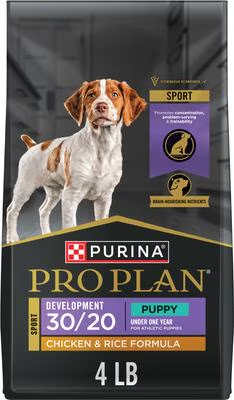
Every Havana Luxe Pups puppy goes home with a small starter bag of the food we have been feeding them in our nursery. This is important for one simple reason: changing food too quickly causes digestive upset in puppies, and the last thing you want during the exciting first days at home is a sick puppy on your hands.
If you plan to feed a different food than what we send home, that is completely fine. Just transition slowly. Mix roughly 75% of the current food with 25% of the new food for the first few days, then gradually shift the ratio over the course of one to two weeks until you have completed the switch.
Choosing the Right Food: What to Look For
Walking into a pet store or scrolling through options online can feel genuinely overwhelming. There are hundreds of puppy foods on the market and most of them have beautiful packaging and confident marketing language. Here is how to cut through the noise and focus on what actually matters.
Named protein as the first ingredient is the clearest signal of a quality food. You want to see chicken, turkey, beef, lamb, or fish at the top of the ingredient list, not chicken meal, not meat byproducts, and not corn or wheat as the primary component. Protein is the foundation of your puppy’s diet and the single most important thing to evaluate when reading a label.
Key Food Selection Criteria
Small Breed Formula
Small breed puppy foods have smaller kibble size and higher calorie density to meet the faster metabolism of small dogs.
AAFCO Statement
Look for language that says the food is “complete and balanced” for puppies or for “all life stages.”
Avoid Fillers
Skip foods with corn syrup, artificial colors, artificial preservatives, and vague terms like “animal digest.”
Grain-Free Caution
The FDA has been investigating a potential link between grain-free diets and heart problems. Stick with whole grains unless medically necessary.
How Much to Feed and How Often
Small breed puppies have small stomachs and fast metabolisms. They need more frequent meals than adult dogs, and they benefit from consistent timing throughout the day. Letting a small breed puppy go too long without food can cause blood sugar dips, which can make a puppy lethargic, wobbly, or unwell.
From eight weeks through five to six months of age, feed three to four small meals per day. Around five to six months you can transition to two meals per day.
Portion Guidelines
Portion sizes are printed on every bag as a guideline, but treat those as a starting point. The best way to know if your puppy is eating the right amount is to regularly assess their body condition.
You should be able to feel your puppy’s ribs easily with light pressure, but they should not be visibly prominent. Most Havanese and Havapoo puppies eat between one third and one half cup of food per day total, divided into their meals.
NuVet Plus: The Supplement We Recommend
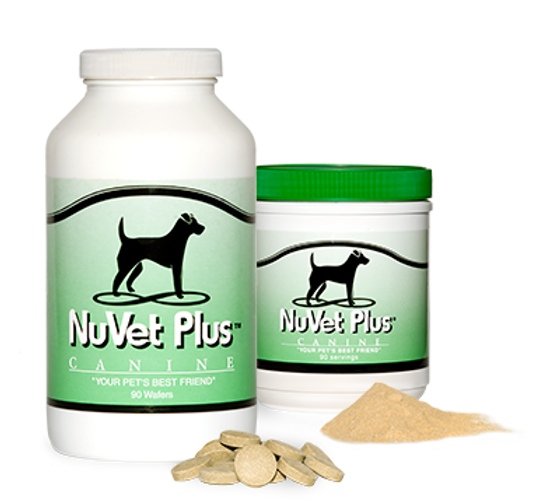
We supplement our puppies and parent dogs with NuVet Plus, and we recommend families continue it after their puppy comes home. NuVet Plus is a veterinarian-formulated supplement specifically designed to support the immune system, promote healthy coat and skin, and provide antioxidant support for dogs at every life stage.
The reason we feel strongly about supplementation is that even excellent commercial dog foods are processed and stored before they reach your puppy’s bowl, which means some nutrient degradation happens along the way. A high-quality supplement fills that gap and gives your puppy the additional immune support they need as they adjust to a new environment, new people, and new exposures in those first weeks home.
Treats: Choosing Wisely
Treats are a daily part of life with a puppy, especially during training, and the quality of what you offer matters more than most people realize. The best training treats for Havanese and Havapoo puppies are small, high-value, and made from simple, recognizable ingredients.
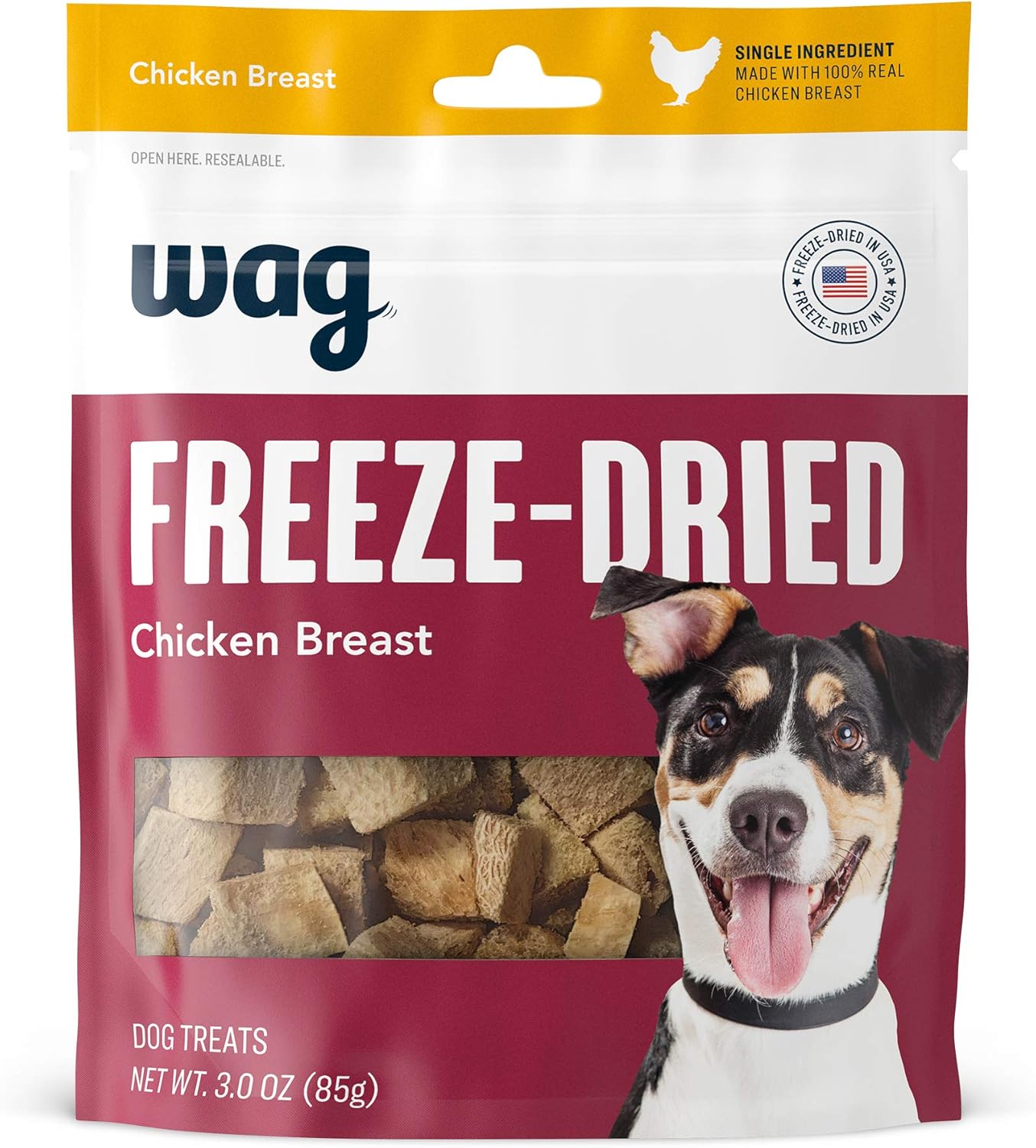
Our go-to recommendation is freeze-dried single-ingredient treats, particularly freeze-dried chicken or turkey. These are made from real meat with nothing added, they are intensely appealing to puppies, and they can be broken into tiny pieces that are just right for a small dog’s training sessions. We send our families home with a bag of Wag freeze-dried chicken treats because they tick every box: a single clean ingredient, no grain, corn, wheat, soy, or potato, and sourced and made in the USA.
Treat Guidelines
Keep treats small, especially for training. A treat the size of a pea is plenty for a puppy who weighs eight pounds. Treats should make up no more than ten percent of your puppy’s daily caloric intake to avoid throwing off the nutritional balance of their diet. Avoid rawhide entirely—it poses a choking and intestinal blockage risk and has no real nutritional value.
Water: The Nutrient People Forget
Fresh water should be available to your puppy at all times. This sounds obvious but it is worth saying because the hydration habits established early carry forward throughout a dog’s life. A puppy who learns to drink well stays better hydrated as an adult, which supports kidney function, digestion, and coat health.
Change the water in your puppy’s bowl at least once daily and wash the bowl regularly. Stainless steel or ceramic bowls are easier to keep clean than plastic, which can harbor bacteria in small scratches over time. If your puppy seems reluctant to drink enough, a small pet fountain that keeps water moving can encourage better hydration in dogs who prefer running water.
Nutrition Through the Life Stages
Foods That Are Dangerous for Dogs
Keep this list accessible: Grapes and raisins can cause kidney failure. Onions, garlic, chives, and leeks damage red blood cells. Chocolate contains toxic theobromine. Xylitol (sugar-free products) causes dangerous blood sugar drops. Macadamia nuts, avocado, alcohol, caffeine, cooked bones, and raw yeast dough are all toxic. If your puppy ingests any of these, contact your veterinarian or ASPCA Animal Poison Control immediately.
Nutrition as a Foundation
Good nutrition is not just about what goes into the bowl today—it is about setting your puppy up for a lifetime of health and vitality. The choices you make in these early months will influence your dog’s energy, coat quality, immune function, and overall wellbeing for years to come.
At Havana Luxe Pups, we believe that great nutrition starts before a puppy is even born and continues throughout their life. We are here to help you make informed decisions and answer any questions you have about feeding your puppy.
Every Havana Luxe Pups puppy leaves with a starter food bag, vaccination records, microchip information, our two-year health guarantee covering genetic defects, and the 30-day Trupanion insurance trial we require for all our families. Our health guarantee is written in plain language and we stand behind it completely.