Havapoo Colors: A Complete Guide
Havapoo Colors: A Complete Guide
Havapoo colors span an unusually wide range, including black, white, cream, chocolate, red, apricot, silver, and sable, along with patterns like parti-color and phantom, since this crossbreed inherits color genetics from both the Havanese and the Poodle.
At Havana Luxe Pups, Havapoo colors are one of the most fun topics families ask us about when browsing our Havapoo litters, since no two litters ever look quite the same. Understanding Havapoo colors starts with understanding where they come from, because this breed’s coat genetics pull from two parent breeds, including the Havanese, who are each already known for real color diversity.
Why Havapoo Colors Vary So Widely
Havapoo colors are so varied largely because neither parent breed sticks to a narrow color palette. The American Kennel Club’s official Havanese breed standard states that all colors and markings are permissible and considered of equal merit in the breed, which means Havanese parents can pass along an unusually wide genetic color range to their Havapoo puppies. Combine that with the Poodle’s own broad color spectrum, and it becomes clear why Havapoo colors rarely follow a single predictable pattern, much like whether or not a Havapoo sheds depends heavily on which parent’s coat genes are more dominant.
Common Solid Havapoo Colors
A handful of solid shades show up frequently among Havapoo colors.
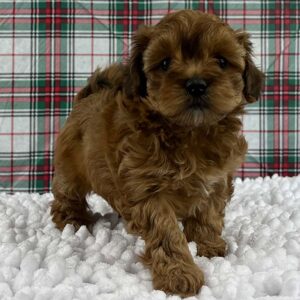
Black
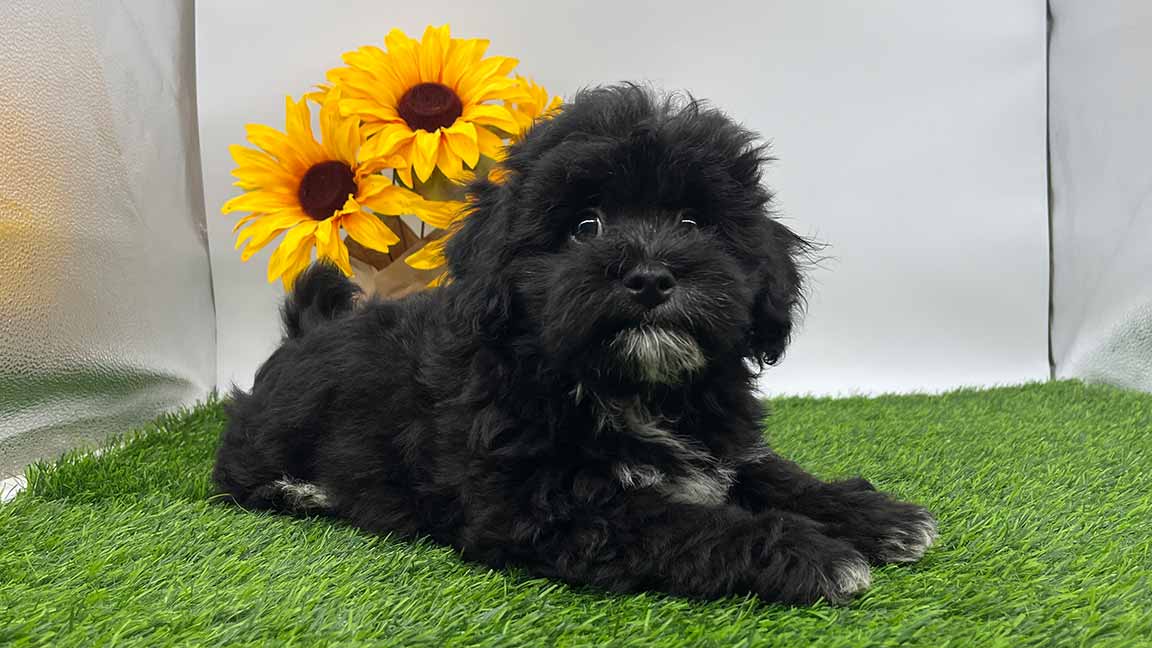
A rich, solid black coat is one of the more classic Havapoo colors, often carried over cleanly from either parent breed.
White and Cream
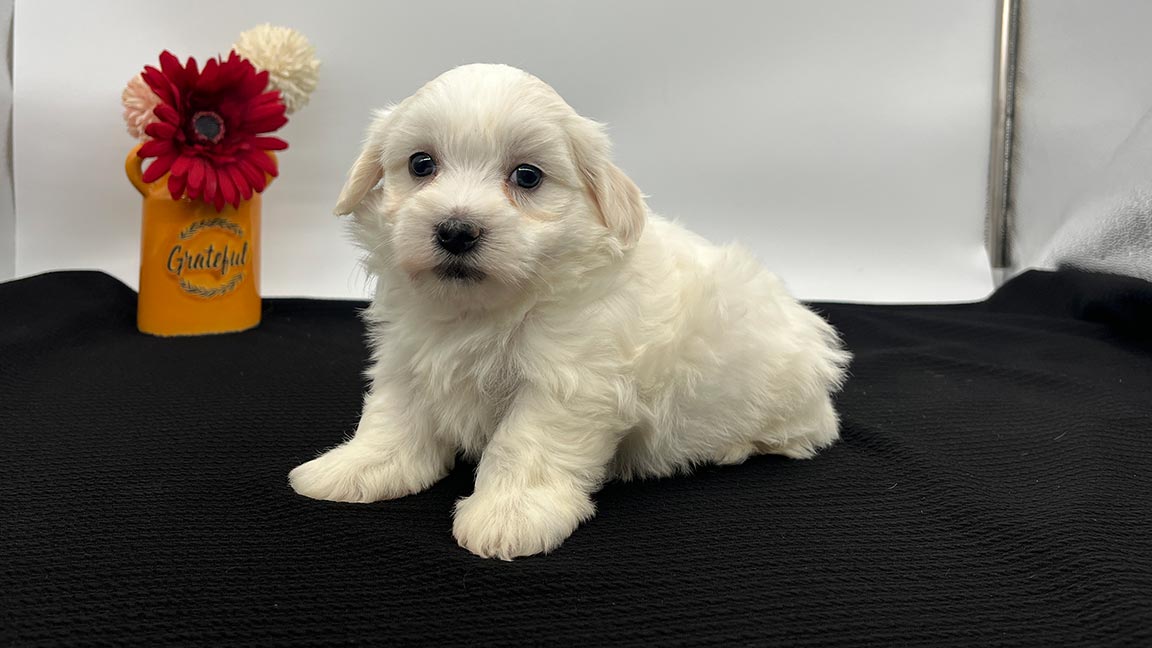
Soft white or cream coats are common Havapoo colors, frequently appearing on puppies with a stronger Havanese influence.
Chocolate and Red
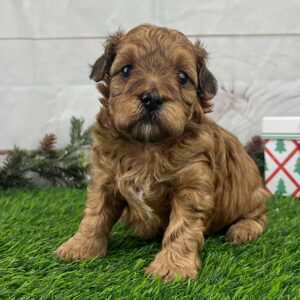
Warm chocolate brown and red or apricot-toned coats are both well represented among Havapoo colors, giving these puppies a warm, sunset-like range of shades.
Silver
A diluted, silvery gray coat is one of the rarer solid Havapoo colors, and it tends to be especially sought after by families researching the breed.
Patterned Havapoo Colors
Beyond solid shades, patterned coats make up some of the most distinctive Havapoo colors.
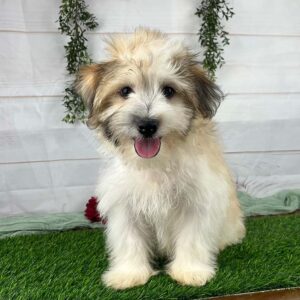
Parti-Color
Parti-color Havapoo colors feature a predominantly white coat with patches of another color, most often black, brown, or red, creating a striking, one-of-a-kind look on every puppy.
Sable
A sable coat is made up of individually dark-tipped hairs over a lighter base, giving certain Havapoo colors a soft, layered appearance that can shift subtly as the dog matures.
Phantom
Phantom is one of the more eye-catching Havapoo colors, featuring a primary base color with tan or cream markings above the eyes, on the cheeks, chest, legs, and underside of the tail.
Brindle
A brindle coat has a tiger-like striping effect, one of the rarer patterns among Havapoo colors, and it is accepted in the Havanese breed standard, which helps explain why it occasionally shows up in this cross.
Can You Predict Havapoo Colors Before a Puppy Is Born?
Predicting exact Havapoo colors ahead of time is genuinely difficult. When combining the genetics of two established breeds, the resulting combination of traits, coat color included, cannot always be predicted with full accuracy, even by an experienced breeder. This is part of what makes every litter such a genuine surprise, and one of many reasons we encourage families to meet our parent dogs and browse our upcoming litters rather than shop by color alone.
Do Havapoo Colors Change as Puppies Grow?
It is common for Havapoo colors to shift somewhat as a puppy matures into adulthood. PetMD’s breed guide notes that a Havapoo’s exact appearance depends heavily on which parent breed’s traits are more dominant in that individual puppy, and coat color is very much part of that ongoing development, sometimes lightening or deepening well after the puppy coat first comes in.
Does Coat Color Affect Havapoo Health or Temperament?
Havapoo colors are purely cosmetic and have no bearing on temperament. The one exception worth knowing is that dilute colored coats, like silver, can in some dogs be associated with a coat and skin condition, so it is worth mentioning to your veterinarian if you notice thinning fur in a dilute colored Havapoo as your dog ages. Keeping up with regular grooming, covered in more detail in our Havapoo grooming guide, makes changes like this easier to catch early.
A Note From Our Family
We have raised litters across a genuinely wide spread of Havapoo colors here at Havana Luxe Pups, and one thing has never changed: no matter the coat shade, temperament always comes down to how a puppy is raised, not what color they happen to be. This is exactly the kind of guidance we walk through in how to choose a Havapoo puppy.
Our boys have grown up handling puppies of every color combination, and it is one of the small joys of this work watching each litter’s colors turn out just a little differently every time. Our FAQ page covers more of the questions families ask about our litters.
Frequently Asked Questions
What is the most common Havapoo color?
Black, white, cream, and apricot tend to be among the more commonly seen Havapoo colors, though the exact mix varies from litter to litter.
What is the rarest Havapoo color?
Silver and phantom are generally considered among the rarer Havapoo colors, since they require a more specific combination of genetics from both parent breeds.
Do Havapoo puppies change color as they grow?
Yes, many Havapoo puppies lighten or darken somewhat as their adult coat comes in, and this is a normal part of development rather than a cause for concern.
Does coat color affect a Havapoo’s temperament?
No, Havapoo colors are entirely cosmetic and have no effect on personality or temperament.
Can two solid colored Havapoo parents produce a parti-colored puppy?
Yes, coat genetics can carry hidden markings, so two solid colored parents can still produce puppies with patches or patterns depending on the genes each parent carries.