Havapoo Temperament: What to Expect From This Breed
Havapoo Temperament: What to Expect From This Breed
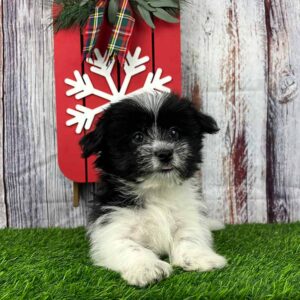
Havapoo temperament is affectionate, playful, intelligent, and people-oriented, blending the Havanese’s devoted companionship with the Poodle’s sharp trainability, though individual Havapoos can lean more toward one parent breed than the other.
At Havana Luxe Pups, Havapoo temperament is one of the very first things families ask us about, and it makes sense given how much personality lives inside such a small dog. Understanding Havapoo temperament starts with understanding the two breeds behind it, since this designer breed inherits real, distinct traits from both sides of its family tree. Here at Havana Luxe Pups, we raise both Havapoo and Havanese litters, so we see firsthand how that mix plays out.
Why Havapoo Temperament Varies by Puppy
Havapoo temperament is not a single fixed personality type the way a purebred’s temperament often is. Designer dogs are intentional crosses between two established breeds, and while breeders aim to combine the best traits of each parent, individual puppies can still favor one side of their heritage more than the other. This is exactly why two Havapoo puppies from the same litter can have noticeably different personalities.

The Havanese Side of Havapoo Temperament
Much of what makes Havapoo temperament so endearing traces back to the Havanese. The American Kennel Club describes the Havanese as cheerful, sociable companions who have become especially popular with city dwellers for their adaptable, affectionate nature. This same devotion to their people shows up clearly in Havapoo temperament, often described as a dog that would rather be near you than anywhere else.
The Poodle Side of Havapoo Temperament
The other half of Havapoo temperament comes from the Poodle, a breed prized for intelligence and eagerness to please. Havapoos typically favor either a Toy or Miniature Poodle parent, and this side of the mix tends to bring sharper trainability and a bit more energy to Havapoo temperament, making these dogs quick learners who genuinely enjoy mental engagement, not just physical exercise.
Common Traits in Havapoo Temperament
A few themes show up consistently when people describe Havapoo temperament.
Deeply Affectionate
Havapoos are known for wanting to be close to their people, often following family members from room to room throughout the day.
Highly Intelligent
Thanks to the Poodle influence, Havapoo temperament tends to include quick problem-solving skills and genuine enthusiasm for learning new things.
Great With Families
Havapoo temperament generally includes patience and gentleness with children, along with a friendly, easygoing attitude toward other pets when properly introduced.
Prone to Missing Their People
Because both parent breeds are companion-focused, Havapoos can struggle with being left alone for long stretches, so building comfort with alone time early matters.
How Havapoo Temperament Compares to a Purebred
One honest part of Havapoo temperament is a bit of unpredictability, since crossbreeds do not have the same generations-long consistency a purebred’s temperament carries. Merck Veterinary Manual notes that a dog’s social behavior develops through a combination of genetics and early experience, which is exactly why the environment a Havapoo puppy is raised in during those first weeks matters just as much as the traits inherited from either parent breed.
Supporting a Stable Havapoo Temperament
Because temperament is shaped by both genetics and early experience, the breeder side of the equation matters a great deal, something we walk every family through in how to choose a Havapoo puppy. ASPCA’s guidance on choosing a responsible breeder recommends meeting puppies and their parents in person whenever possible, since seeing the environment a litter is raised in tells you far more about temperament than photos ever could. This is part of why we always encourage families to buy direct from a breeder, rather than through a broker who never actually raised the puppy, since a broker cannot answer honest questions about how a specific litter’s temperament has developed.
A Note From Our Family
We have watched Havapoo temperament play out across dozens of litters raised right here at Havana Luxe Pups, and one thing has stayed consistent no matter which parent a puppy favors more: these dogs genuinely want to be part of the family. Our boys handle every puppy from an early age, which means temperament in our litters gets shaped by real household noise, real kids, and real everyday life long before a puppy ever goes home. If you are ready to meet a puppy in person, check our upcoming litters, and our FAQ page covers more of what families ask about most.
Frequently Asked Questions
Is Havapoo temperament more like the Havanese or the Poodle?
It varies by individual puppy, since some Havapoos favor the Havanese’s calm affection while others lean more toward the Poodle’s higher energy and drive, and many blend both.
Are Havapoos good with young children?
Yes, their temperament generally includes patience and gentleness, making them a popular choice for families, though supervision with any dog and young child is always recommended.
Do Havapoos get along with other pets?
Yes, when properly socialized early, their temperament tends to be friendly and adaptable toward other dogs and cats in the household.
Why does Havapoo temperament vary so much between puppies?
Because Havapoos are a crossbreed rather than a purebred with generations of consistent selection, individual puppies can inherit a different balance of traits from each parent.
Can early socialization shape temperament?
Yes, early experience plays a significant role alongside genetics, which is why how a puppy is raised in its first weeks matters just as much as its parentage,